


Some of the links in this article are "affiliate links", a link with a special tracking code. This means if you click on an affiliate link and purchase the item, we will receive an affiliate commission.




The price of the item is the same whether it is an affiliate link or not. Regardless, we only recommend products or services we believe will add value to our readers.
By using the affiliate links, you are helping support our Website, and we genuinely appreciate your support.
How Black America Rebuilt: From the Great Depression to the New Deal
Out of the ashes of the Great Depression, Black America began rebuilding — with faith, determination, and the power of community. The struggle for economic inclusion and equality gave rise to leaders, movements, and hope that reshaped the nation.
Faith as the Foundation
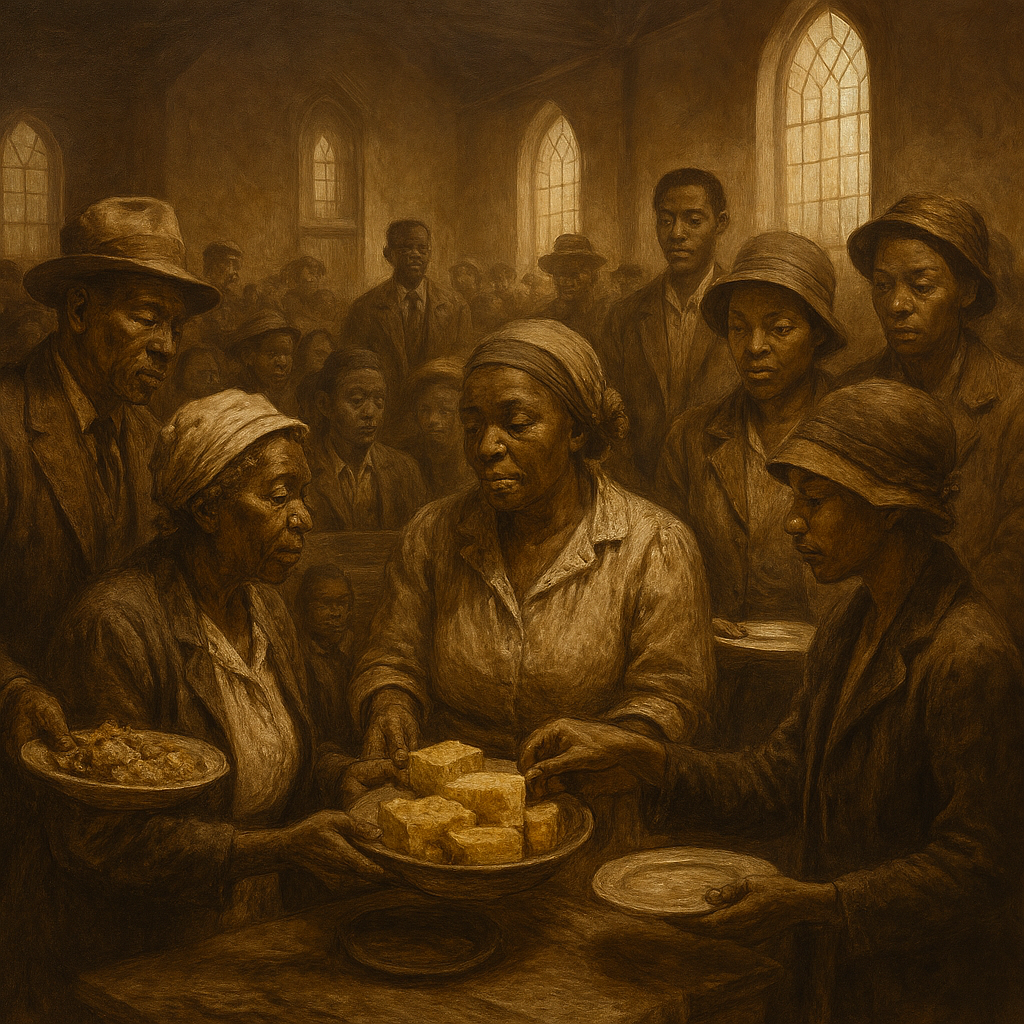
As the Depression dragged on, the Black church became more than a place of worship — it became the cornerstone of survival. Pastors opened doors for food drives, education, and advocacy. Church basements turned into classrooms and meeting halls where neighbors taught literacy, job skills, and political awareness. This unity gave Black Americans a moral and organizational backbone that would later power the Civil Rights Movement.
Fighting for Inclusion in the New Deal
When President Franklin D. Roosevelt’s New Deal began in the mid-1930s, Black Americans demanded access to jobs, housing, and relief funds that were often denied at the local level. Organizations like the NAACP and Black newspapers pushed federal agencies to include Black workers in the Works Progress Administration (WPA), Civilian Conservation Corps (CCC), and Public Works Administration (PWA). Despite segregation and discrimination, over one million Black men and women eventually found work through these programs — a lifeline that helped communities regain stability.
Economic Self-Help and Black Business
With mainstream institutions closed off, Black entrepreneurs built their own. Insurance companies, grocery stores, funeral homes, and community banks became pillars of the “Black economy.” Figures like A.G. Gaston and Madam C.J. Walker’s legacy inspired others to create opportunity from necessity. This era sparked a new wave of Black-owned businesses that served as both economic engines and sources of pride.
Media, Education, and Empowerment
Black newspapers such as The Chicago Defender and Pittsburgh Courier not only reported the injustices of the Depression — they organized readers to act. These papers exposed racial disparities, promoted boycotts, and encouraged migration to fairer cities. Meanwhile, historically Black colleges and universities (HBCUs) continued training the next generation of teachers, preachers, and business leaders who would transform the political landscape in the decades to come.
From Recovery to Resistance
By the late 1930s, Black America had turned despair into direction. The hardships of the Depression gave rise to political activism, with growing participation in labor unions and the Democratic Party. Leaders like Mary McLeod Bethune worked directly with the Roosevelt administration, forming the “Black Cabinet” — a group of advisors who fought for fairer representation and civil rights at the federal level. Their influence helped shape future policies, planting seeds for the 1940s and beyond.
Legacy of Strength
Though racism and inequality persisted, the survival and rebuilding of Black America after the Great Depression revealed something powerful: a community that refused to break. Through faith, organization, and determination, Black Americans proved that resilience can turn oppression into progress. The lessons of this era continue to guide the ongoing pursuit of economic justice and freedom.
History teaches us that progress is built on persistence. Platforms like Channels.biz continue that legacy — empowering creators, entrepreneurs, and communities to build ownership and opportunity through AI, Web3, and blockchain technology.
Keywords: Black history, Great Depression, New Deal, economic recovery, racial justice, resilience, Channels.biz. #BlackHistory, #NewDeal, #EconomicJustice, #BlackResilience, #CommunityPower, #ChannelsBiz