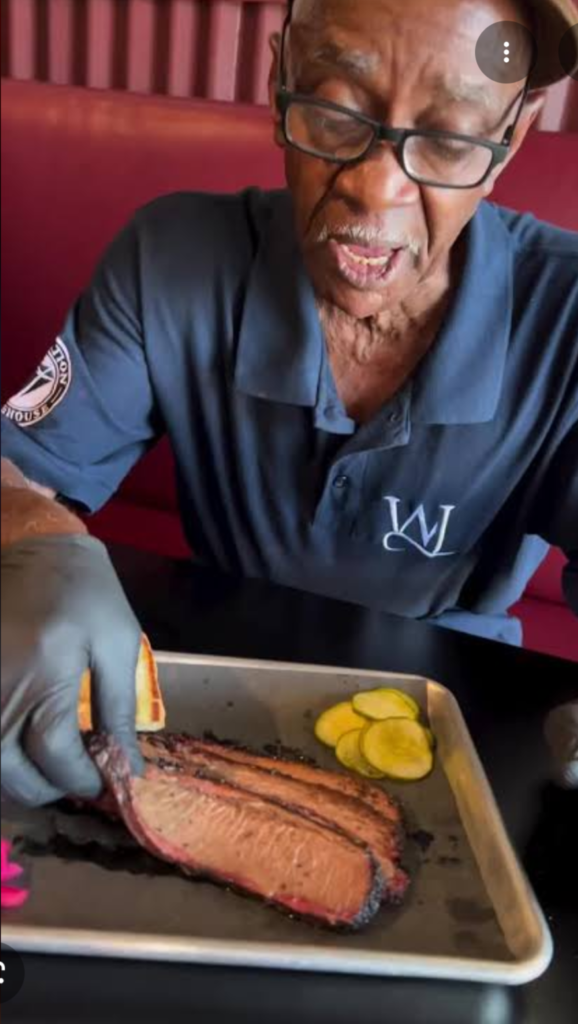


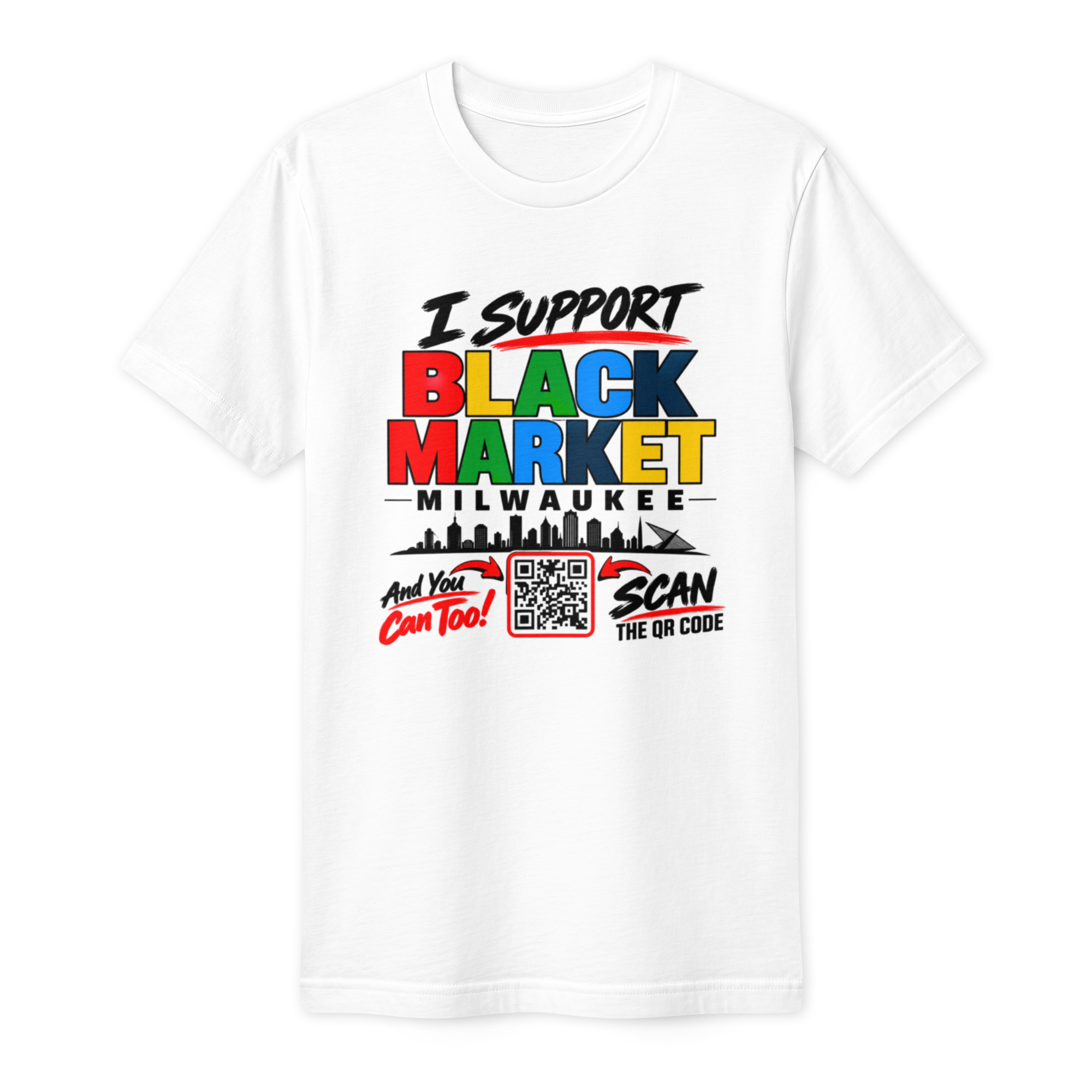


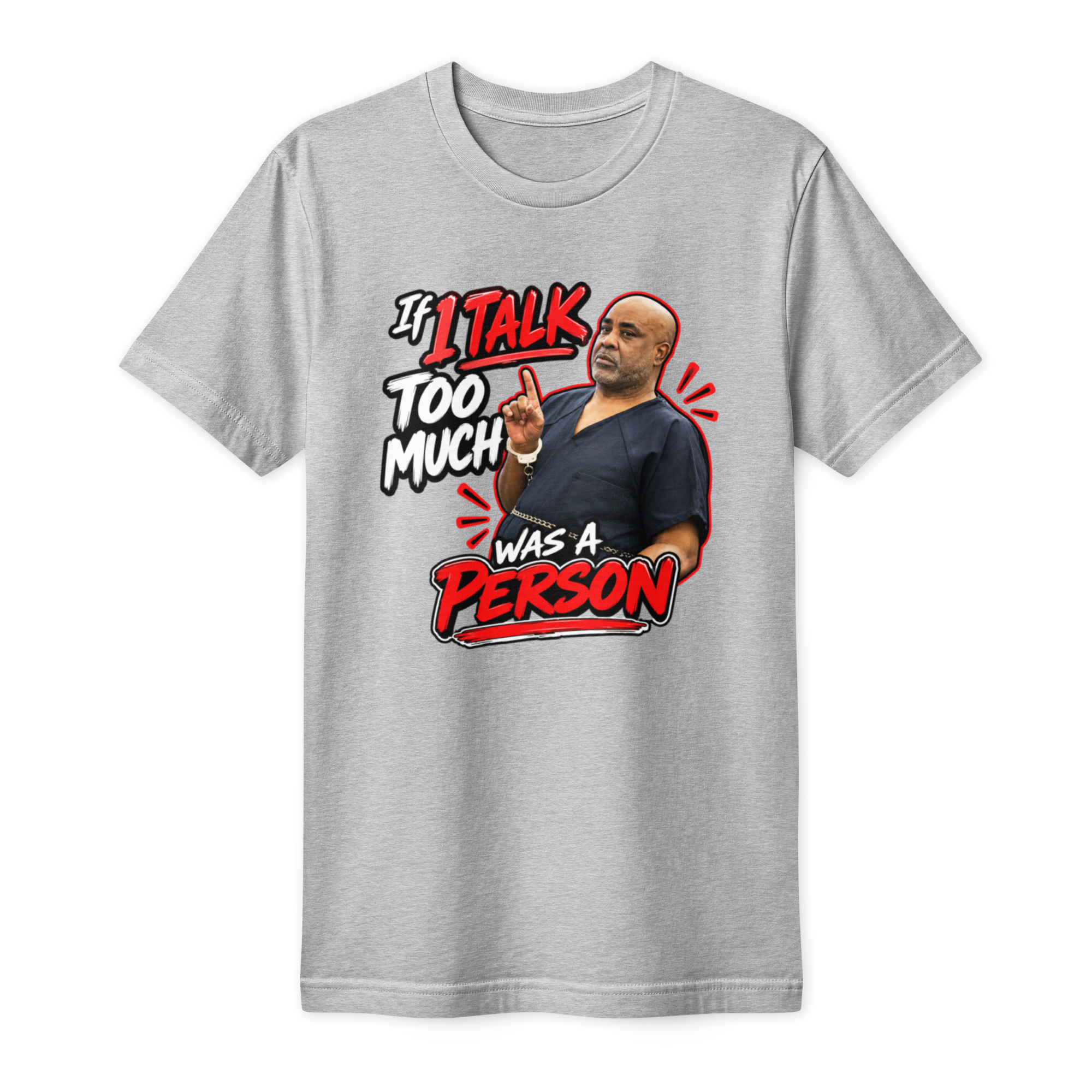

In recent years, a new term has emerged online—“Tenderismed.” It’s a word that might sound lighthearted or even humorous at first, especially with its association to barbecue culture. However, the concept behind it is far more serious. Tenderismed refers to the phenomenon where an individual’s personality, culture, creativity, or likeness is leveraged for profit—often by others—without the original person or community receiving fair ownership or benefit.
This article delves into what it means to be tenderismed, explores the history of cultural exploitation, and offers actionable insights on how Black people can safeguard their cultural legacy and creative contributions.
—
What Does “Tenderismed” Mean?
The term “Tenderismed” originated from viral moments involving someone’s unique style or cultural expression being widely copied, commercialized, or appropriated without proper credit or compensation.
Key Characteristics of Being Tenderismed:
– Cultural or creative expression is commodified by external parties.
– The original creators or cultural groups do not receive financial benefit.
– It perpetuates exploitation and erasure of authentic Black voices.
– Often tied to viral trends or popular moments that overshadow the originators.
—
The Deeper Issue: Cultural Exploitation Isn’t New
Tenderismed is simply a modern iteration of a long-standing pattern. Black culture has historically been mined for profit by others, from music and fashion to language and cuisine.
Historical Examples:
– Music Industry Exploitation: Artists like Chuck Berry and Sister Rosetta Tharpe laid the foundations for rock and roll but often did not receive royalties or recognition equivalent to white counterparts who popularized their work.
– Fashion Appropriation: Traditional African prints and hairstyles like cornrows have been adopted by the mainstream fashion industry, frequently without credit or compensation to Black designers or communities.
– Cuisine Commercialization: Soul food and barbecue styles developed in Black communities have been widely commercialized, often without acknowledgment of their roots.
According to a 2020 Nielsen report, Black consumers contribute significantly to cultural trends but are underrepresented in ownership roles within industries that profit from these trends.
—
Why Is It Important to Stop Being Tenderismed?
When communities are tenderismed, the consequences go beyond lost income. It affects cultural identity, historical narratives, and community empowerment.
Impacts Include:
– Economic Disadvantage: Loss of potential revenue and business growth opportunities.
– Cultural Erasure: Original meanings and significance can be diluted or misrepresented.
– Power Imbalance: Reinforces systemic inequalities where Black creators have less control over their cultural assets.
—
How Can Black People Protect Themselves from Being Tenderismed?
Awareness and proactive strategies are crucial in combating cultural exploitation.
Practical Steps to Consider:
– Educate and Advocate: Understand your cultural and intellectual property rights.
– Legal Protections: Use trademarks, copyrights, and patents where applicable to protect creative works.
– Build Ownership: Support Black-owned businesses and encourage community investment in cultural enterprises.
– Leverage Technology: Platforms like Patreon or NFTs (non-fungible tokens) can help creators monetize and retain control over their work.
– Collaborate Strategically: Partner with allies who respect and fairly compensate Black culture and creativity.
—
Real-World Success Stories
– Beyoncé’s “Lemonade”: A landmark album that celebrated Black culture with significant creative control and ownership, setting a new standard for artists.
– Black-Owned Food Brands: Companies like Slutty Vegan have taken soul food mainstream while maintaining Black ownership and community roots.
– Cultural Licensing Deals: Some artists and creators now negotiate licensing deals that ensure ongoing revenue streams and credit.
—
Conclusion: Key Takeaways
The term tenderismed highlights a critical issue—the ongoing exploitation of Black culture and creativity. Recognizing this problem is the first step toward reclaiming agency and ownership.
– Cultural exploitation is not a new phenomenon but requires renewed vigilance.
– Protecting intellectual and cultural property is essential for economic empowerment.
– Building and supporting Black-owned businesses strengthens community resilience.
– Legal tools and modern technology offer new ways to safeguard creativity.
By understanding and addressing tenderism, Black communities can ensure their rich cultural legacies are honored, preserved, and fairly rewarded—turning viral moments into lasting wealth and influence.
—
Sources:
– Nielsen, “The State of Black Consumer Culture,” 2020.
– Harvard Business Review, “Why Cultural Appropriation is a Problem,” 2019.
– Forbes, “How Black Creators Are Monetizing Culture,” 2022.