


In recent times, a new term has emerged across social media and cultural discussions: Tenderismed. While it might sound lighthearted, this concept touches on a profound and ongoing issue affecting Black communities worldwide. It goes beyond viral moments or cultural trends—it’s about the appropriation and commercialization of Black creativity and identity without equitable benefit to those who originate it.

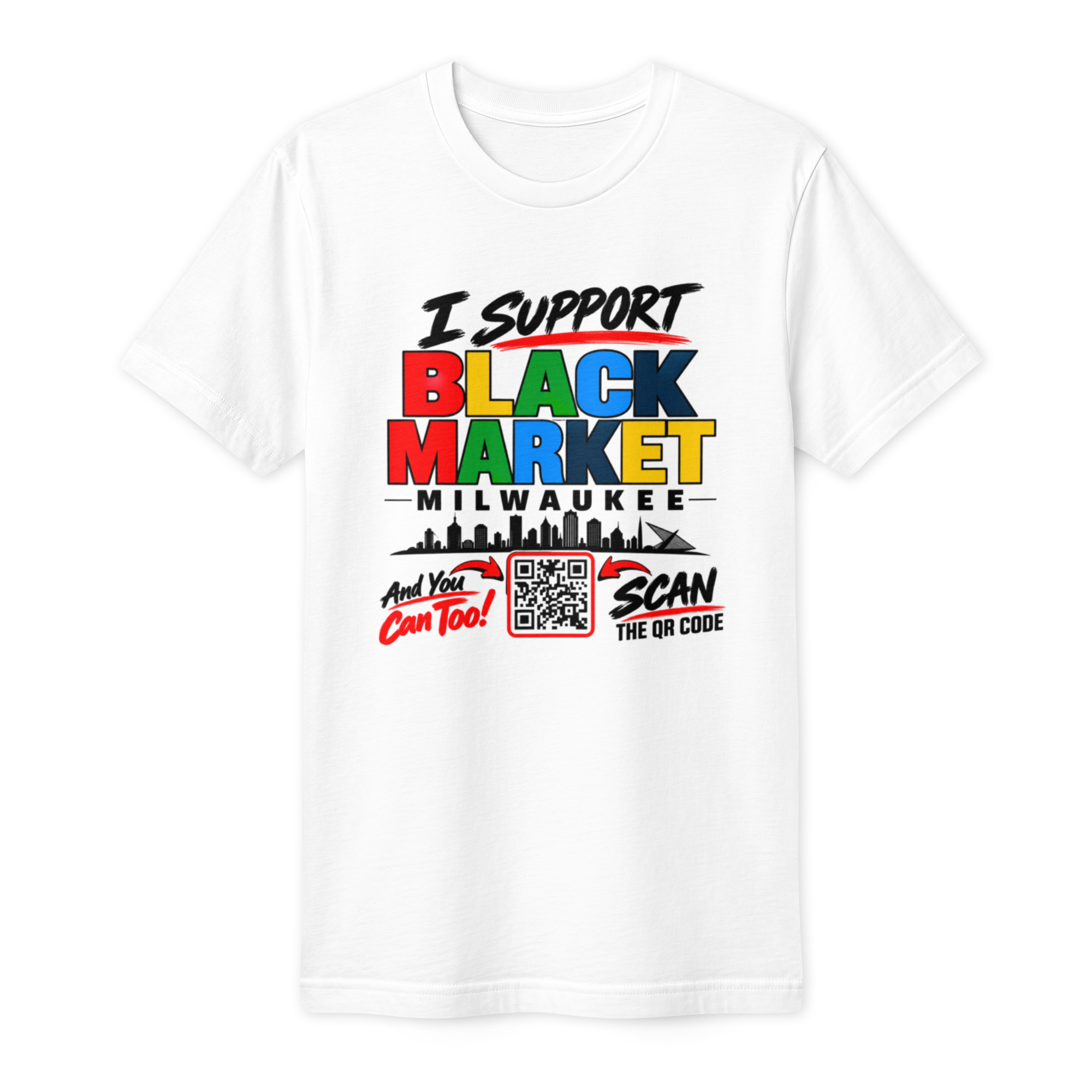

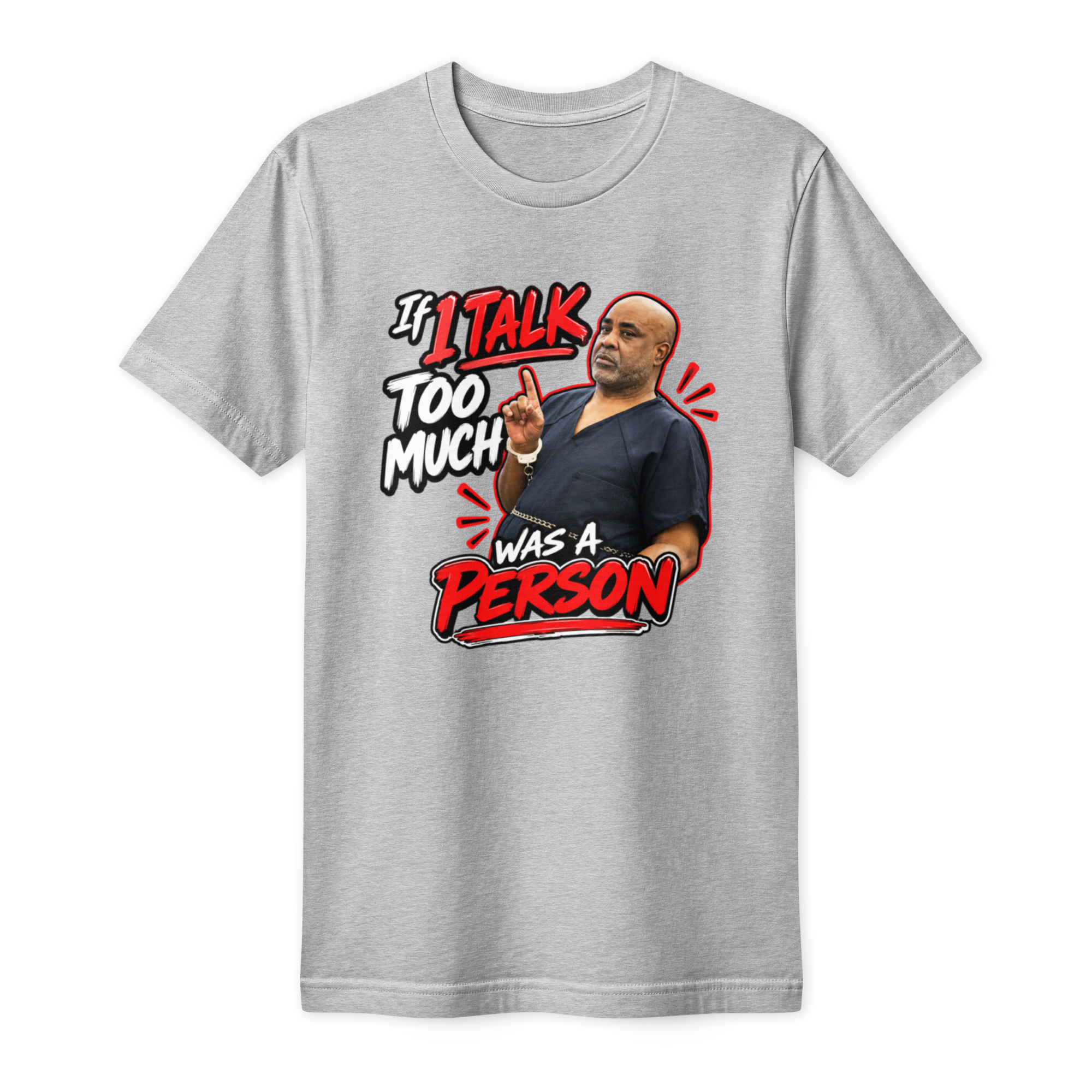

This article delves into what it means to be *Tenderismed*, explores historical and modern examples, and offers insights on reclaiming ownership over Black culture and creativity.
—
What Does “Tenderismed” Mean?
The word *Tenderismed* stems from a viral moment involving barbecue chicken tenders, but its implications run far deeper. At its core, Tenderismed describes the phenomenon where:
– A Black individual’s or community’s personality, culture, or creativity becomes widely used or commodified.
– The cultural product or likeness generates profit.
– However, the original creators or communities receive little to no financial or social benefit.
This reflects a broader pattern of cultural exploitation, where Black identity is monetized by external parties without proper acknowledgment or compensation.
—
The Historical Context of Cultural Exploitation
The issue of cultural exploitation is not new. Historically, Black culture has been systematically appropriated in various forms:
– Music: Genres like jazz, blues, hip-hop, and R&B were created by Black artists but often commercialized and popularized by non-Black record labels and executives.
– Fashion: Elements of Black streetwear and hairstyles have been adopted by mainstream brands without credit or royalties.
– Language and Slang: African American Vernacular English (AAVE) phrases frequently enter mainstream use, often stripped of their cultural significance.
The Economic Impact
According to a 2020 Nielsen report, Black consumers wield over $1.4 trillion in buying power in the U.S. alone. Despite this, Black creators often see only a fraction of the profits generated from their cultural contributions. This economic disparity highlights the urgency of addressing the Tenderismed phenomenon.
—
Modern Examples of Being Tenderismed
Viral Moments and Social Media
With the rise of social media, viral trends often originate within Black communities but become monetized by influencers, brands, or platforms that do not share revenue or visibility with original creators.
Example: Dance challenges or catchphrases popularized on TikTok by Black users frequently get replicated by mainstream celebrities or advertisers without credit.
Entertainment Industry
Black actors, musicians, and artists often face situations where their image or style is commodified for commercial gain, yet they lack ownership rights.
Example: The controversy over the use of Black musicians’ samples in hit songs without proper licensing agreements.
—
How to Stop Getting Tenderismed: Empowering Black Ownership
Addressing this issue requires collective action and awareness:
1. Support Black-Owned Businesses and Creators
– Purchase directly from Black entrepreneurs.
– Promote Black artists and innovators on social platforms.
2. Educate on Intellectual Property Rights
– Understand copyright, trademarks, and licensing.
– Encourage creators to seek legal protection for their work.
3. Advocate for Fair Representation and Compensation
– Demand transparency in contracts and royalties.
– Support policies that protect cultural intellectual property.
4. Celebrate Authenticity
– Recognize and uplift original Black voices.
– Resist diluted or commercialized versions of Black culture.
—
Conclusion: Reclaiming Culture and Creativity
Being *Tenderismed*—having your culture, creativity, and likeness commodified without ownership—is a symptom of a larger systemic issue. Black communities have historically contributed immeasurably to global culture, yet equitable ownership and profit sharing remain elusive.
Key Takeaways:
– Tenderismed highlights the exploitation of Black culture for profit without fair compensation.
– Historical patterns of cultural appropriation continue in modern contexts, amplified by social media and commercial interests.
– Empowerment through education, support, and advocacy can help reclaim ownership and foster economic equity.
By recognizing and addressing *Tenderismed*, Black individuals and communities can protect their cultural legacy and ensure that the value they create benefits them directly.
—
References:
– Nielsen, “The African American Consumer: A Trillion Dollar Opportunity,” 2020.
– Smithsonian Institution, “Cultural Appropriation and Intellectual Property Rights,” 2021.
– Forbes, “The Economic Impact of Black Culture on Mainstream Markets,” 2022.
—
*Protecting cultural identity is not just about heritage—it’s about economic justice and dignity. The time to stop being Tenderismed is now.*
