

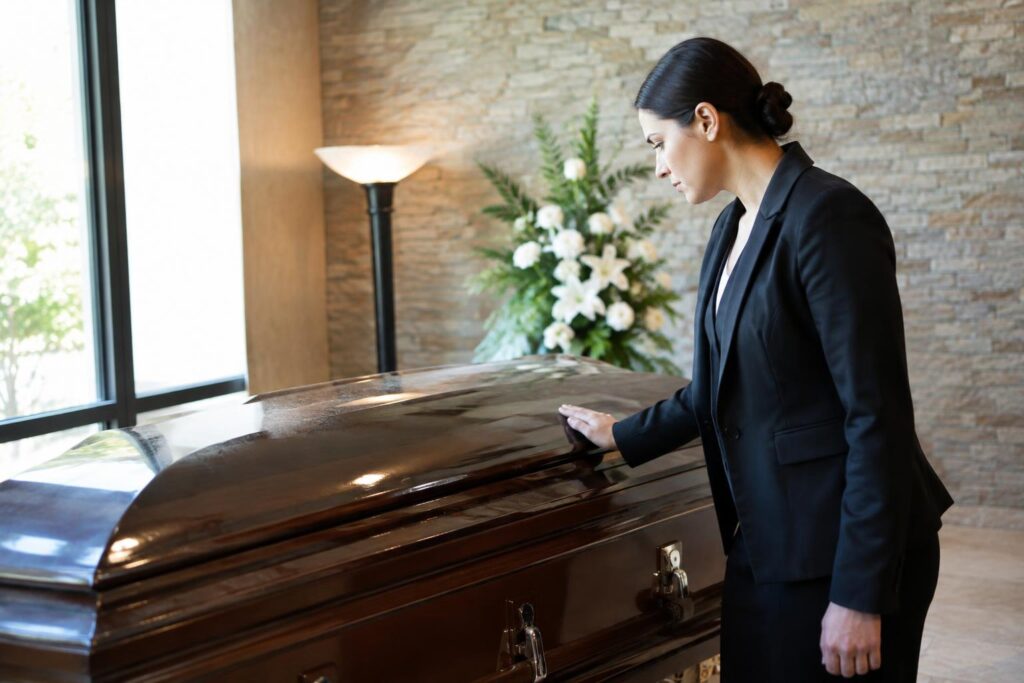







In our society, death is often shrouded in silence and misunderstanding. At the center of this important lifecycle transition is the mortician, a figure who plays a crucial role in guiding families through one of their most challenging times. This article seeks to illuminate the responsibilities and emotional labors of morticians, while also offering a deeper understanding of the services they provide.
Morticians, also known as funeral directors, are trained professionals who manage all aspects of the death care process. Their responsibilities go far beyond merely arranging funeral services. They are tasked with preparing the deceased for viewing, ensuring that the body is treated with respect and dignity. This preparation can include embalming, cosmetic application, and dressing the deceased in clothing chosen by the family. Each of these tasks requires a deep understanding of anatomy, chemistry, and the art of presentation, all bound together by an essential thread of compassion.
In addition to the technical aspects of their job, morticians are also caregivers to the living. They serve as a source of comfort and guidance for grieving families, helping them navigate the myriad of decisions that must be made in a short amount of time. From selecting the type of service – whether traditional, memorial, or even a celebration of life – to determining how to honor the wishes of the deceased, morticians are there to assist every step of the way. Their empathetic approach allows them to support families in a way that feels personal and genuine, often becoming a pillar of strength during an overwhelming period.
Communication is another vital skill for morticians, as they must not only provide information but also listen actively to the needs and wishes of families. This might include discussing the logistics of a funeral service, explaining burial or cremation options, or addressing any cultural or religious considerations that are important to the family. The ability to convey complex information in a clear and compassionate manner is essential, as families are often in a vulnerable and emotional state.
Morticians also handle the intricate details of legal and regulatory requirements that come into play after a death occurs. They ensure that all necessary paperwork, such as death certificates and permits, are completed accurately and filed on time. This administrative duty, while perhaps less visible, is crucial to the process of honoring the deceased and enabling families to move forward in their grief.
Moreover, the mortician’s role extends beyond the funeral itself. Many morticians offer ongoing support, including grief counseling or referrals to support groups. Understanding that grief does not end with the burial or cremation, they remain available as a resource for families who may need assistance in the weeks or months that follow.
Ultimately, the work of a mortician is a blend of artistry, science, and profound compassion. While they are often seen as caretakers of the deceased, their true calling lies in their unwavering support for the living. By fostering conversations about death and the importance of planning and honoring our loved ones, morticians help to normalize what can often feel like a daunting topic.
In conclusion, the role of a mortician is vital in the journey of understanding death and embracing life’s transitions. By acknowledging their contributions, we can foster a culture that respects and celebrates life, even as we confront the inevitability of death. In doing so, we embrace not just the end of life, but the precious memories and stories that lead us to cherish every moment.