
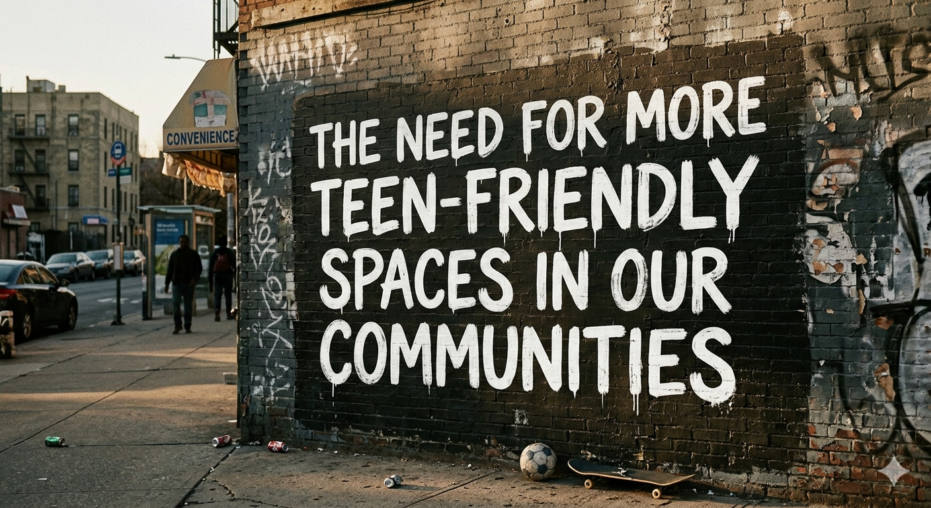
## The Need for More Teen-Friendly Spaces in Our Communities
As communities evolve, so do the preferences and needs of their younger populations. While it is often easy to notice the multitude of liquor establishments within our neighborhoods, a critical observation reveals a stark contrast when it comes to spaces designed for teens. The disparity begs the question: why are we not investing in as many teen-friendly spots as we have for adults?
### **The Current Landscape of Teen Hangouts**
Many urban and suburban areas are saturated with bars, clubs, and adult entertainment venues, which collectively create a vibrant nightlife for adults. By juxtaposition, the availability of environments tailored for teenagers—whether they be arcades, skate parks, or community centers—pales in comparison. This lack of options means that when teens want to socialize, they often do so in places not ideally designed for their age group. Where, then, is the structured environment that encourages positive social interaction among teenagers? The answer is: it is sorely missing.
### **Understanding the Social Dynamics of Teen Spaces**
Social dynamics play a significant role in the development of teenagers. During adolescence, individuals are working to define their identities and establish their social groups. When appropriate spaces are absent, teens tend to congregate in large numbers in wherever they can fit, leading to chaotic and sometimes unsafe situations. By providing more varied hangout options, communities can help distribute these gatherings across multiple venues. This not only enhances safety but also fosters diverse interactions that are crucial for social development.
### **Economic Benefits of Investing in Teen Spaces**
Investing in teen-friendly establishments is not just a social imperative; it can also yield significant economic benefits for the community. By creating venues that draw in young people, local governments and businesses can stimulate economic activity that might otherwise be funneled into adults-only venues. Teen spaces could feature affordable food options, entertainment, and activities that encourage spending in the local economy. Moreover, successful establishments focused on younger demographics can create job opportunities for teens themselves, fostering responsibility and work ethics at a young age.
### **Community Engagement and Ownership**
One of the pivotal aspects of establishing teen-friendly spaces is community involvement. When parents, educators, and local leaders come together to engage teenagers in the planning and development processes, they create a sense of ownership that makes these spots more appealing to the youth. Empowering teens by allowing them a voice in what they want and need encourages greater participation and fosters a sense of community pride. When teenagers feel valued and heard, it transforms how they engage with their surroundings, leading to healthier social and emotional development.
### **Moving Forward: A Call to Action**
The need for more teen spots in our communities is clear. It is vital that leaders and stakeholders recognize the responsibility they hold in shaping an inclusive environment for all age groups. By advocating for additional facilities aimed at youth and promoting events that cater specifically to teenagers, we can drastically reduce the challenges stemming from a lack of safe and engaging spaces. It’s time to create a balanced landscape where both adults and teens can thrive, socialize, and grow without putting either group into jeopardy.
Hashtags: #TeenSpaces #CommunityDevelopment #YouthEngagement #SocialResponsibility #EconomicGrowth #SafeSpaces #UrbanPlanning