
 Written by
Some of the links in this article are "affiliate links", a link with a special tracking code. This means if you click on an affiliate link and purchase the item, we will receive an affiliate commission.




The price of the item is the same whether it is an affiliate link or not. Regardless, we only recommend products or services we believe will add value to our readers.
By using the affiliate links, you are helping support our Website, and we genuinely appreciate your support.
-
Table of Contents
“Trump Tariffs: Economic Strain on Black Communities, Balancing Trade and Opportunity.”
Introduction
Trump tariffs, implemented during the Trump administration, aimed to protect American industries by imposing taxes on imported goods, particularly from countries like China. While these tariffs were intended to bolster domestic manufacturing and create jobs, their impact on the black community has been multifaceted. Many black-owned businesses, particularly in sectors reliant on imported materials, faced increased costs, which could lead to higher prices for consumers and reduced competitiveness. Additionally, the tariffs contributed to inflationary pressures, disproportionately affecting low-income households, including many in the black community. The overall economic landscape shaped by these tariffs raised concerns about job security and economic stability, highlighting the need for policies that consider the unique challenges faced by marginalized communities.
Trump Tariffs: Economic Impact on Black-Owned Businesses
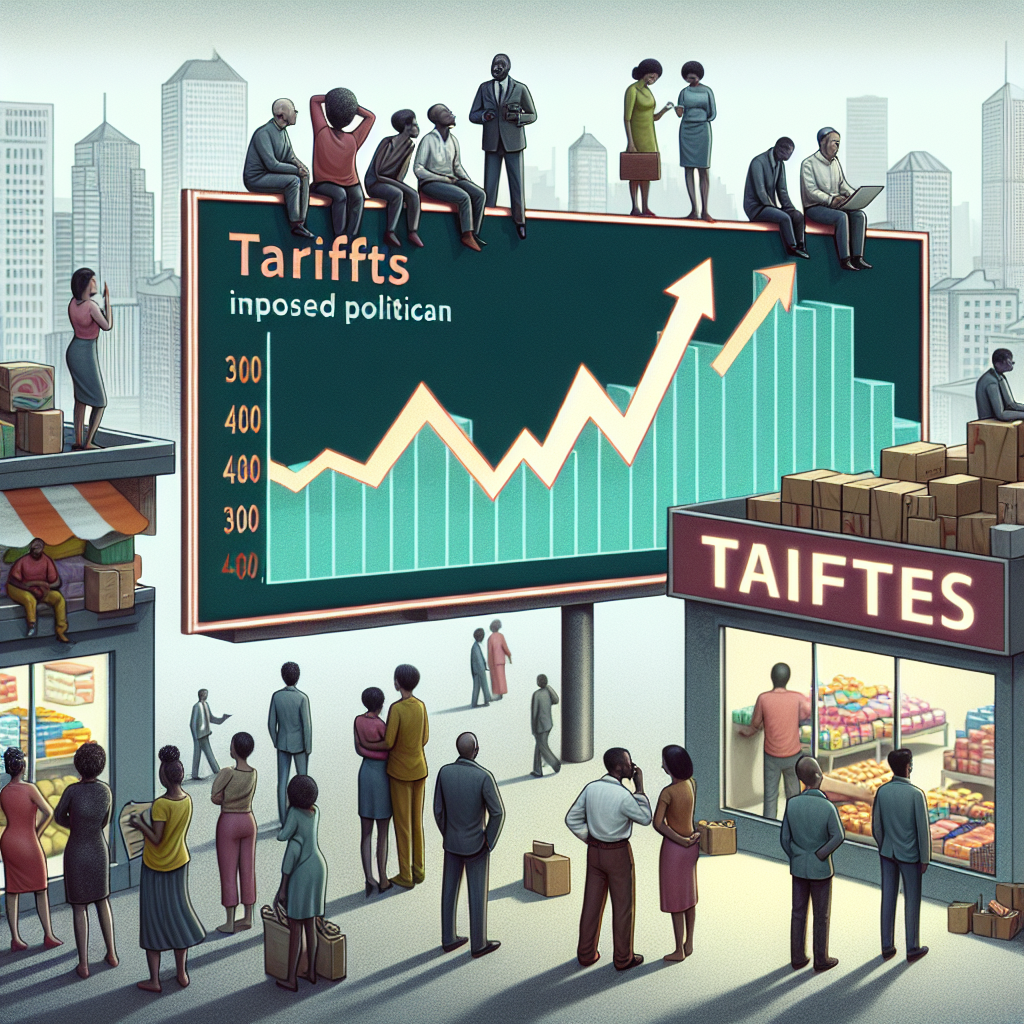
The implementation of tariffs under the Trump administration has had a significant impact on various sectors of the economy, and the effects on black-owned businesses warrant careful examination. Tariffs, which are taxes imposed on imported goods, were intended to protect American industries by making foreign products more expensive. However, this protective measure has had mixed results, particularly for small businesses within the black community. As these tariffs increased the cost of raw materials and goods, many black-owned enterprises found themselves grappling with rising expenses that threatened their viability.
To begin with, the tariffs on steel and aluminum, for instance, led to increased production costs for businesses that rely on these materials. Many black-owned manufacturing firms, which often operate on tighter margins than their larger counterparts, faced the brunt of these price hikes. Consequently, these businesses were forced to either absorb the additional costs or pass them on to consumers, which could lead to reduced sales and customer loyalty. This situation highlights a broader issue: the vulnerability of black-owned businesses in an economic landscape that is often unforgiving.
Moreover, the tariffs also affected the supply chains of black-owned businesses that depend on imported goods. For example, retailers and service providers that source products from overseas experienced delays and increased costs, which ultimately impacted their ability to serve customers effectively. This disruption not only strained relationships with suppliers but also diminished the competitive edge that many black-owned businesses strive to maintain in a crowded marketplace. As a result, some businesses were compelled to reduce their workforce or even close their doors, exacerbating the economic challenges faced by the black community.
In addition to the direct financial implications, the tariffs contributed to a broader economic uncertainty that affected consumer behavior. As prices rose, many consumers became more cautious with their spending, leading to decreased demand for products and services offered by black-owned businesses. This decline in consumer confidence can be particularly detrimental to small enterprises that rely heavily on local patronage. The ripple effect of reduced sales can lead to a cycle of economic decline, making it increasingly difficult for these businesses to recover.
Furthermore, the economic landscape for black entrepreneurs is already fraught with challenges, including limited access to capital and resources. The tariffs exacerbated these existing barriers, making it even more difficult for black-owned businesses to secure funding or investment. Financial institutions may have been less willing to extend credit to businesses facing increased operational costs, further limiting their growth potential. This situation underscores the need for targeted support and resources to help black entrepreneurs navigate the complexities of an evolving economic environment.
In conclusion, the tariffs implemented during the Trump administration have had a profound impact on black-owned businesses, highlighting the interconnectedness of policy decisions and community well-being. As these businesses continue to face rising costs, supply chain disruptions, and shifting consumer behavior, it is essential to recognize the unique challenges they encounter. Addressing these issues requires a concerted effort from policymakers, financial institutions, and community organizations to create an environment that fosters resilience and growth for black entrepreneurs. By understanding the economic implications of tariffs and advocating for equitable support, stakeholders can work together to ensure that black-owned businesses not only survive but thrive in an increasingly competitive landscape.
Conclusion
Trump’s tariffs, particularly on goods from China, aimed to protect American industries but had mixed effects on the black community. While some sectors, like manufacturing, saw temporary job growth, the overall impact included increased prices on consumer goods, which disproportionately affected low-income households, including many in the black community. Additionally, retaliatory tariffs led to job losses in agriculture and other sectors that employ a significant number of black workers. Ultimately, the tariffs contributed to economic uncertainty and highlighted existing disparities, making it challenging for the black community to benefit from the intended economic protections.
#EconomicImpact
#BlackCommunity
#TradePolicy
#TariffsMatter
#JobLosses
#ManufacturingGrowth
#PriceHikes
#EconomicDisparities