
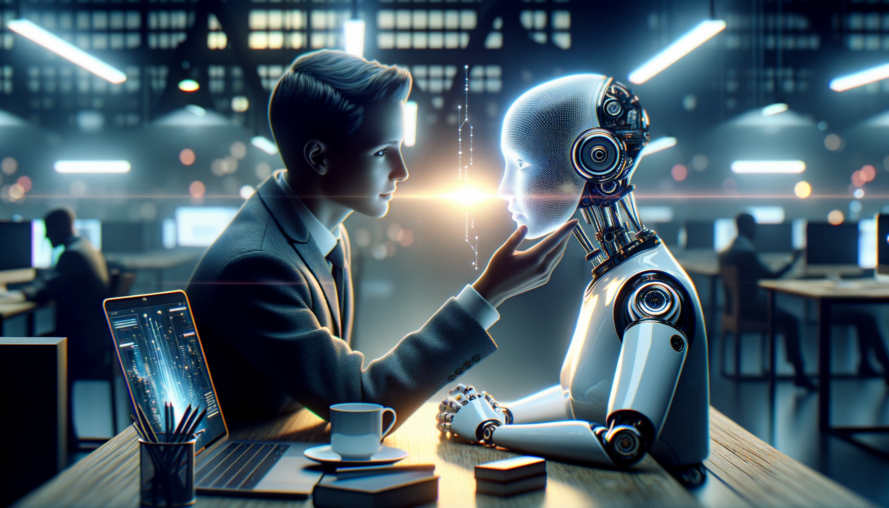
In a world increasingly intertwined with technology, the shift towards emotionally intelligent AI agents signifies a transformative leap in how we interact with machines. Historically, artificial intelligence has excelled in logic and computation, but the advent of emotionally aware AI marks a pivotal moment where empathy and understanding become central to the relationship between humans and machines. As we venture into this new frontier, it’s essential to explore the implications and benefits of emotional intelligence in AI agents.
At its core, emotional intelligence in AI refers to the ability of machines to recognize, interpret, and respond to human emotions in a nuanced manner. This goes beyond mere data processing; it taps into the complexities of human behavior and emotional states, allowing machines to engage in richer, more meaningful interactions. Imagine a virtual assistant that can sense your frustration when a task isn’t going as planned and can adapt its responses based on your emotional cues. This level of responsiveness not only enhances user experience but also fosters a deeper trust in AI systems, bridging the gap between human intuition and machine efficiency.
The applications of emotionally intelligent AI agents are vast and varied, ranging from customer service to mental health support. In customer service, for instance, AI agents equipped with emotional understanding can identify signs of dissatisfaction in a customer’s voice or text and pivot their approach accordingly. They can escalate issues to human agents only when necessary, streamlining the process and improving overall service quality. In mental health care, AI with emotional intelligence can play a crucial role in monitoring well-being, providing tailored support, and even detecting early signs of distress in users. By doing so, they offer a form of companionship and assistance that traditional chatbots simply cannot match.
As we delve into the technical mechanisms that power these emotionally aware AI systems, we encounter advancements in natural language processing and machine learning algorithms. These technologies enable AI agents to analyze tone, sentiment, and context in real-time, allowing for a more accurate interpretation of user emotions. For instance, sentiment analysis can discern whether a user’s language conveys happiness or frustration. Coupled with deep learning models, AI can continually refine its emotional responses based on user interactions, creating a feedback loop that enhances its performance over time.
However, the integration of emotional intelligence into AI also raises ethical considerations that must be addressed. As these systems become more sophisticated, the potential for misuse becomes a reality. Manipulation of emotions for commercial gain or the creation of emotionally deceptive interactions could erode the very trust these technologies aim to build. Therefore, establishing ethical guidelines and regulations is crucial to ensure that emotionally intelligent AI agents enhance human experience without exploiting vulnerabilities.
Looking ahead, the future of emotionally intelligent AI agents is filled with promise. As they evolve, we can expect to see a more profound integration of these technologies across various sectors, leading to innovations that elevate our daily experiences. From educational tools that can adapt to a student’s emotional state, enhancing learning outcomes, to smart home systems that understand the mood of their occupants and adjust settings accordingly, the possibilities are boundless.
In conclusion, the emergence of emotional intelligence in AI agents represents a monumental shift in human-machine interaction. By fostering emotional connections, these intelligent systems are not only set to improve efficiency and effectiveness but also to enrich our lives in unprecedented ways. As we embark on this captivating journey into the future, the potential for AI agents to become empathetic partners in our daily lives is both exciting and transformative, paving the way for a harmonious coexistence between humanity and technology.