
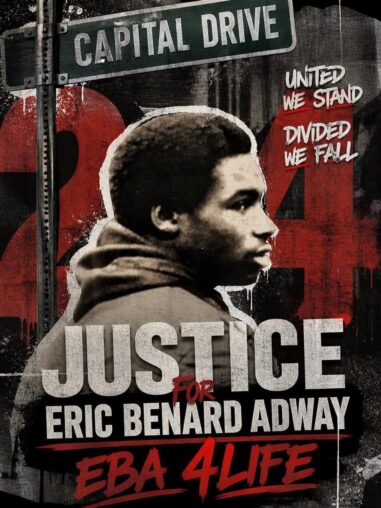

## Remembering Eric Adway: A Tragic Story of Injustice in Milwaukee
### **A Promising Life Cut Short**
May 1984 marked a pivotal moment in Milwaukee’s history, as the city grappled with a tragedy that would resonate for decades. At the heart of this story was Eric Adway, a young man dedicated to self-improvement and spiritual growth. On May 2, 1984, after attending Bible class, Eric was arrested by Milwaukee Police for an alleged assault that occurred days earlier. Just hours later, he was found dead in his jail cell, a victim of what authorities labeled a suicide. However, the circumstances surrounding his death raised profound questions about the truth and the treatment of Black men in police custody.
### **The Narrative Control and Community Outcry**
In the aftermath of Eric’s death, the Milwaukee Police Department quickly moved to frame the narrative. They painted Eric Adway as a gang leader, dismissing his tragic death as a mere statistic—a suicide within their facilities. Yet, his family and community voiced a collective disbelief. Eric had distanced himself from a life of crime and was actively working on turning his life around, attending Bible study several times a week. The allegations of gang involvement seemed not only unfounded but indicative of a broader issue of systemic racism and policing tactics in Milwaukee.
Public figures, notably Alderman Michael McGee, joined the chorus of voices demanding accountability. McGee publicly criticized the police department, labeling comments made by officers and the narrative spun around Adway’s death as part of a racist mindset that undermined the lives of Black residents. He insisted that the timing of Eric’s death, occurring just days before the retirement of Police Chief Harold Brier, was too coincidental to ignore. This statement led to significant pushback from law enforcement, highlighting the adversarial relationship between the community and the police at that time.
### **The Inquest and Its Findings**
As public pressure mounted, a formal inquest was initiated. This process involved examining witness testimonies, including those who had seen Eric shortly before his arrest, all of whom supported the family’s claims that he was not involved in any criminal activity. The inquest painted a conflicting picture—while some witnesses sought to depict Eric as a menace, others provided alibis, emphasizing his commitment to a better life.
Testimony from the jail staff and medical officials further complicated the narrative of suicide. The circumstances surrounding Eric Adway’s death raised eyebrows, especially when the initial reports from the Medical Examiner contradicted findings from an independent examination. Bruising on his body suggested foul play, rather than a solitary act of despair. Despite this evidence, the jury concluded that Eric’s death was a suicide while also acknowledging the police’s negligence in their response to the situation. This verdict left many—including family, friends, and advocates—reeling, unable to accept that justice had been served.
### **Seeking Justice: The Fight Continues**
Following the inquest’s findings, Eric Adway’s family was determined to hold accountable those they deemed responsible for their son’s tragic end. They filed additional complaints against officers involved in the case, demonstrating resilience in the face of a system that had continually shown disregard for their truth. Meanwhile, the narrative within the community ultimately leaned towards that of conspiracy, given the historical context of police violence against Black individuals. Eric’s death was not an isolated incident but part of a broader pattern that called for reform and accountability.
Public outrage and sorrow galvanized the community, giving rise to movements seeking to honor Eric’s memory and push for change within the Milwaukee Police Department and beyond. Activists rallied and fundraised to sustain these efforts, underlining a community united in its pursuit of justice.
### **A Legacy of Remembrance and Hope**
As we mark 39 years since Eric Adway’s untimely death, it is essential to reflect on the systemic injustices that propelled this tragedy. Eric’s story is not merely one of loss but a reminder of the need for continued advocacy against police brutality and systemic racism. As we honor his memory, we also commit to acknowledging the voices that continue to demand justice for those lost within such systems. Today, we say his name with the hope that we can forge a future where stories like Eric’s are not repeated.
Hashtags: #EricAdway #JusticeForEric #PoliceReform #MilwaukeeHistory #CommunityAdvocacy #EndPoliceBrutality #BlackLivesMatter