
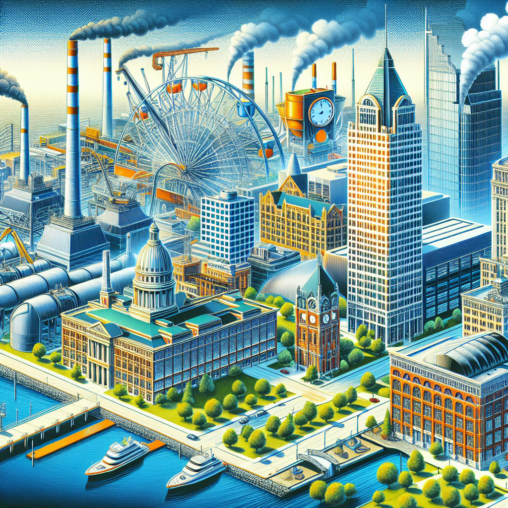
## Milwaukee and the Great Lakes Region: A Rising Economic Comeback Story
Milwaukee and the surrounding Great Lakes region are poised to become one of America’s most compelling economic comeback stories. With its unique advantages, including abundant freshwater access, a robust manufacturing history, well-established infrastructure, and emerging trends in climate migration, Milwaukee offers a blueprint for resilience and growth in an age when many Sunbelt cities are grappling with increasing climate and resource pressures. This revitalization is not just a dream; it represents a real opportunity for community engagement and economic development in the Midwest.
### **Water Access: The Great Lakes Advantage**
The Great Lakes are the largest group of freshwater lakes on Earth, holding approximately 20% of the world’s surface freshwater. This invaluable resource places Milwaukee in an enviable position as water scarcity becomes a pressing challenge in many parts of the country, particularly in hotter Sunbelt regions. The city’s proximity to this vast freshwater reserve can support a variety of industries, including agriculture, manufacturing, and clean energy. As climate change exacerbates droughts and water shortages elsewhere, Milwaukee’s water resources position it as a sustainable hub for businesses seeking reliable operations without the looming threat of resource depletion. This access to water not only attracts new industries but also nurtures local businesses committed to sustainable practices, further enhancing the city’s appeal.
### **Reviving Manufacturing in a New Era**
Historically known as a manufacturing powerhouse, Milwaukee has the potential to reclaim its status in this realm. With a cadre of experienced professionals, existing industrial infrastructure, and a favorable cost of living compared to coastal tech hubs, the city is ready to re-embrace its manufacturing roots. The resurgence of American manufacturing is not merely a nostalgic return; it is a pivot towards smart, technology-driven production methods. As manufacturers seek to shorten supply chains and prioritize local sourcing, Milwaukee can leverage its historical expertise and skilled workforce to attract new manufacturing firms. The integration of digital infrastructure into traditional manufacturing also serves to position Milwaukee as an innovation leader within the sector, fostering job growth and technical advancement.
### **Infrastructure: Building for the Future**
Milwaukee and its Great Lakes neighbors benefit from well-established infrastructure that can be a catalyst for economic growth. This existing framework—spanning transportation networks, utility systems, and communication technologies—allows for swift development and scalability. The city’s commitment to upgrades and modernization ensures that it can harness these assets effectively. Furthermore, local initiatives aimed at enhancing digital infrastructure are pivotal to creating a seamless experience for both businesses and residents. As Milwaukee leverages its infrastructure to promote urban activation and support community media, the city not only enhances its economic landscape but also transforms public perception, making it appear vibrant and forward-looking rather than overlooked and stagnant.
### **Climate Migration: An Emerging Opportunity**
As climate change reshapes migration patterns across the United States, the Midwest, and specifically Milwaukee, stands to benefit. Sunbelt cities like Phoenix and Las Vegas face mounting pressures from extreme heat and dwindling water supplies, prompting residents to consider relocating to more temperate climates. Milwaukee, with its plentiful water supply and moderate weather, can attract individuals and families seeking a higher quality of life that includes access to resources and community networks. This demographic shift offers an opportunity to revitalize neighborhoods and stimulate local economies. By embracing climate migration trends, Milwaukee can evolve into a welcoming haven for newcomers, fostering a diverse community that drives innovation and economic development.
### **Connecting Local Ecosystems for Economic Growth**
To realize the potential of Milwaukee’s economic comeback, it’s essential to focus on building a connected urban platform that integrates local businesses, events, and community engagement. Initiatives like the Milwaukee AI Business Summit and the Ride for Peace exemplify the city’s commitment to fostering interconnectedness. By transforming individual events into a cohesive community ecosystem, Milwaukee can spotlight local enterprises and highlight its cultural richness. This interconnected approach not only stimulates economic activity but also strengthens community ties, contributing to a sense of belonging that attracts newcomers and retains existing residents. As Milwaukee embraces these themes, it stands out as a future-focused city capable of redefining its identity as a vibrant center for growth and innovation.
Milwaukee, with its abundant resources, historical industrial capacity, and strategic positioning, is on the cusp of becoming an economic powerhouse once again. By addressing the emerging trends in climate migration, enhancing infrastructure, and fostering connected local ecosystems, Milwaukee and the Great Lakes region are not just making a comeback—they are laying the groundwork for sustainable prosperity in the years to come.
Hashtags: #Milwaukee #GreatLakes #EconomicComeback #SustainableDevelopment #Manufacturing #ClimateMigration #UrbanEcosystem #CommunityEngagement