
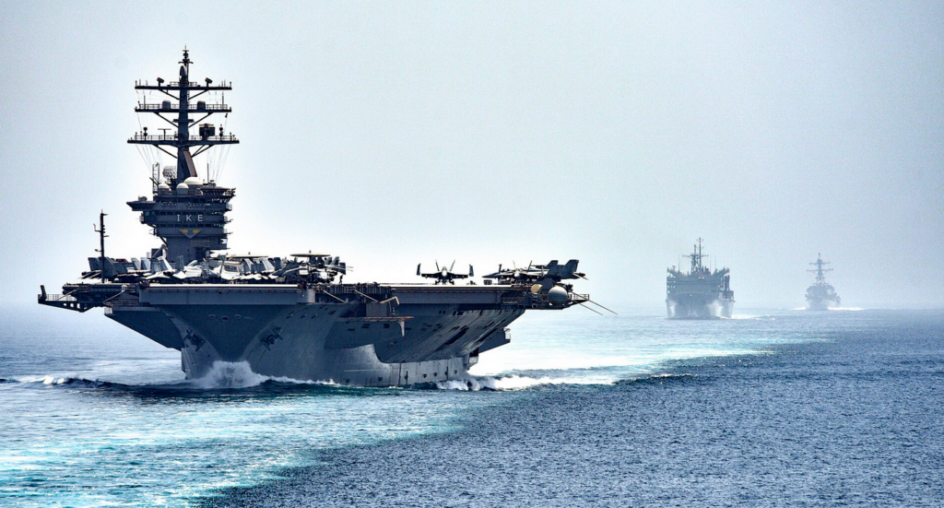
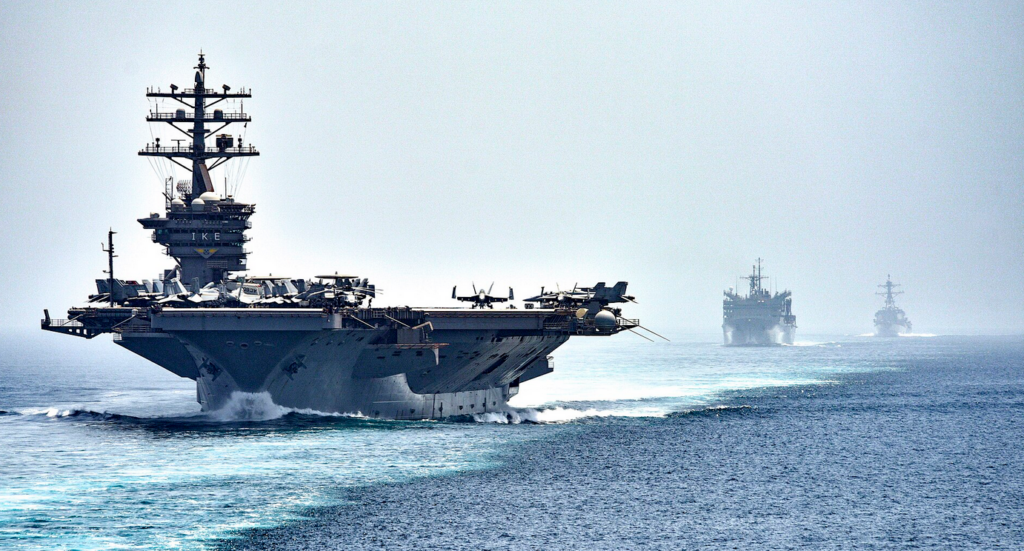

The ongoing conflict between the United States and Iran has not only been a test of military might and strategic acumen but also a significant financial burden on the US economy. As per a recent assessment by the Congressional Budget Office, the conflict has cost the Pentagon approximately $38 billion by August 1. This staggering figure raises important questions about the allocation of resources and the broader implications of American intervention in the Middle East.





Understanding the Costs
The financial expenditures in a military campaign are not solely limited to the cost of ammunition and manpower. They encompass a wide array of expenses including logistics, equipment maintenance, medical care for soldiers, and long-term care for veterans. Additionally, the economic impact extends to increased fuel costs, technological investments in defense systems, and aid provided to allies in the region. Each of these components contributes to the hefty financial commitment the US has undertaken.
Strategic Objectives Versus Financial Realities
The strategic objectives of such military engagements often revolve around maintaining regional stability, deterring aggression, and ensuring the safety of American interests abroad. However, the financial reality presents a more complex picture. With each dollar spent, there is a question of opportunity cost, whether these resources could be better employed in domestic programs or in fostering diplomatic resolutions that might lead to more sustainable peace.
Public Perception and Accountability
With the American public becoming increasingly aware of the financial and human costs associated with foreign interventions, there is a growing demand for transparency and accountability. Citizens are asking hard questions about the efficacy of military action and whether such expenses are justified in the pursuit of national security. As the US government navigates these challenges, it must balance the imperatives of defense with the expectations of its citizens.
The Path Forward
Looking ahead, the US faces critical decisions on how to manage its role in the Middle East. The financial implications of continued military presence are substantial, prompting discussions on alternative strategies that could achieve similar objectives at a lower cost. Diplomacy, economic partnerships, and multilateral cooperation may offer viable pathways toward reducing tensions and fostering stability, potentially alleviating the financial strain on the American economy.
In conclusion, while the United States’ military prowess remains a key component of its foreign policy, the financial and strategic realities of the conflict with Iran underscore the need for a carefully considered approach. The challenge lies in crafting a strategy that aligns with both fiscal responsibility and the nation’s long-term security goals.
Source: blackstarnews.com
