



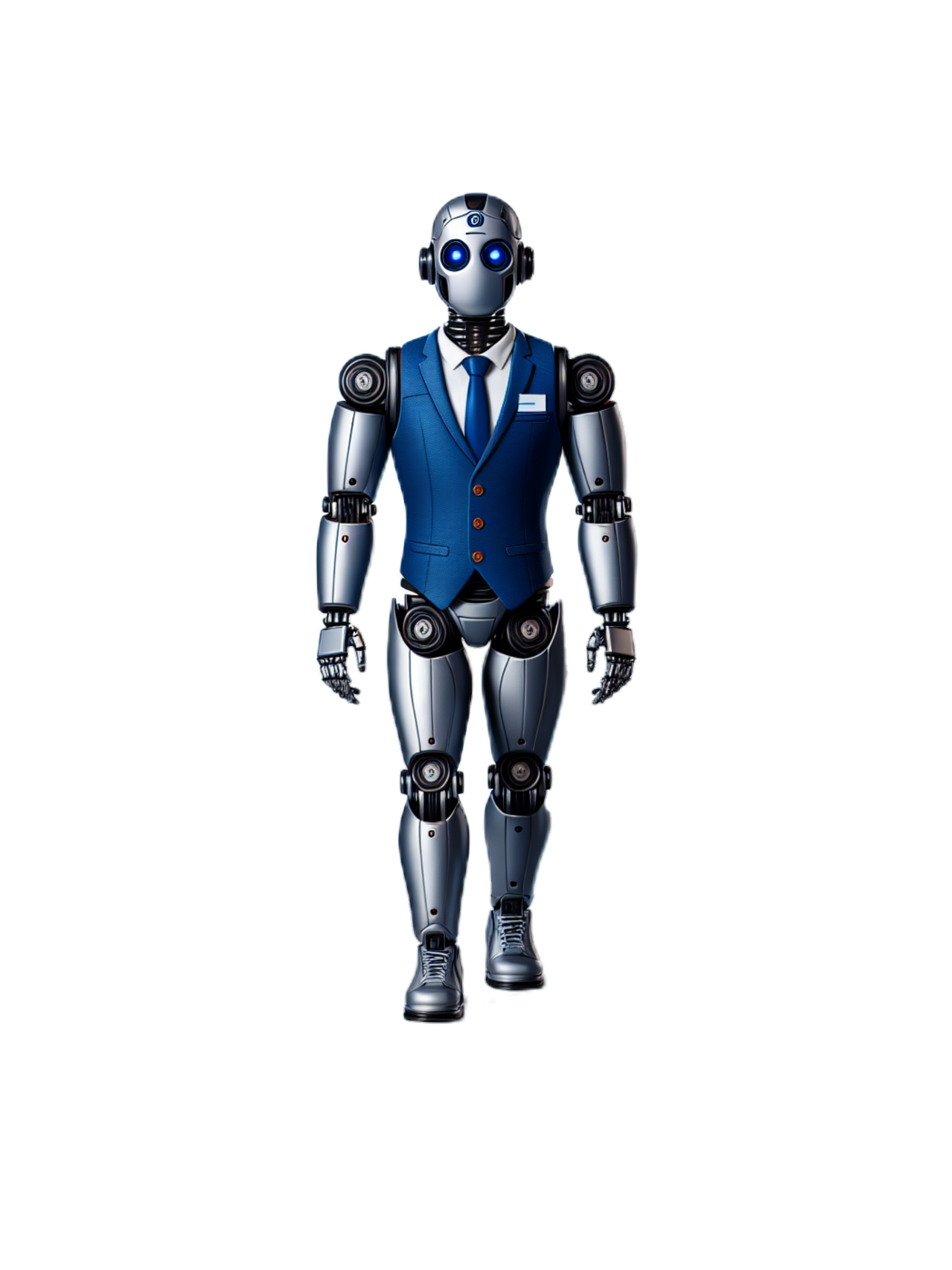

As an accountant with a penchant for practicality and a healthy skepticism of the latest trends, I find myself torn over the recent surge of artificial intelligence in our field. Sure, AI promises efficiency, reduced human error, and the ability to crunch numbers faster than you can say “deductible expense.” But let’s not kid ourselves: the hype surrounding AI in accounting sometimes feels more like a shiny new toy than a genuine tool for better financial management.
First off, the narrative that AI will replace accountants is not only exaggerated but misses the point entirely. If you’re an accountant worth your salt, you know that the value we provide isn’t just in number-crunching. It’s in our ability to interpret data, strategize, and provide insights that go far beyond what an algorithm can fathom. AI can spit out a P&L statement faster than a caffeinated intern, but it can’t hold a candle to the nuanced advice that a seasoned CPA can give based on years of experience.
That being said, let’s acknowledge that there are benefits. Automating repetitive tasks can free up time for more strategic work, allowing us to focus on advisory roles that bring real value to our clients. However, therein lies a crucial point: reliance on AI must be tempered with human oversight. Too often, I see firms embracing AI without considering the need for proper training and judgment calls. A fancy algorithm can’t gauge the context of a client’s situation like a human can.
Furthermore, I worry about the data privacy aspect. With AI handling sensitive financial information, there’s a real risk of breaches that could be disastrous. We need stricter regulations and ethical guidelines in place to ensure that client data remains secure.
In conclusion, while AI has its place in accounting and can certainly make processes smoother, let’s not drink the Kool-Aid without reading the label. Embrace the technology, but don’t let it overshadow the essence of what we do. Remember, at the end of the day, numbers are just numbers. It’s the interpretation and strategy that matter—and no machine will ever replace that.

