
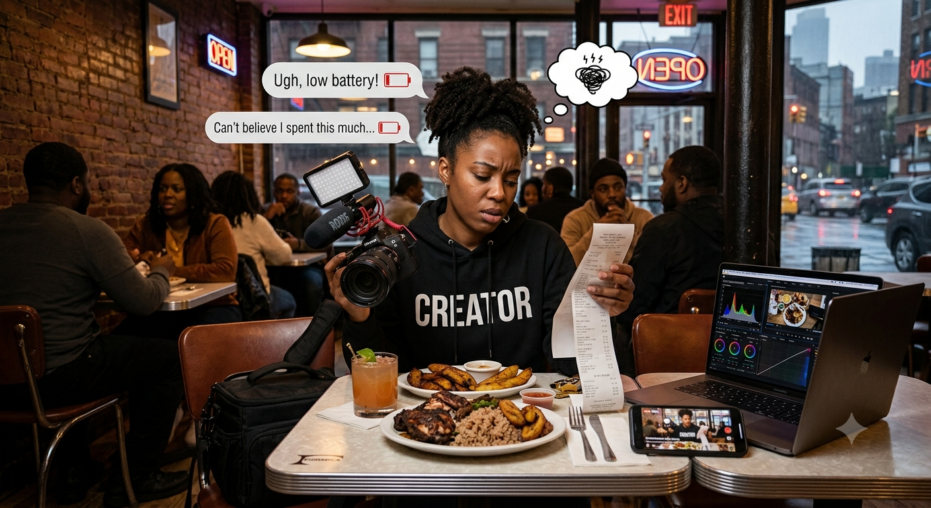
## The Food Influencer Trap: Why Are You Paying to Promote Someone Else’s Business?
In the age of social media, the rise of food influencers has transformed how we discover and enjoy dining experiences. Yet, beneath the glitzy surface of perfectly curated food videos lies an uncomfortable truth: aspiring content creators are often spending their hard-earned money and precious time to promote restaurants that benefit far more than they do. As creators toil away in hopes of garnering recognition, it’s crucial to address the hidden costs of this food-review trend and encourage a shift in mentality—one that prioritizes creators’ value as professionals rather than unpaid marketing arms for restaurants.
### **The Literal Cost of Admission (Transportation & Food)**
When you embark on a food-creating venture, the first expenses are easily overlooked. Unlike seasoned food critics who typically receive complimentary meals or work on an expense account, aspiring influencers find themselves shelling out significant amounts merely to cover the costs of entry. Picture this: you fill your gas tank and sit in rush-hour traffic, only to finally arrive at a restaurant where you pay for a $50 meal plus a tip—all in the name of creating content. With each visit, aspiring influencers aren’t just spending additional money: they’re actively losing it before even sampling the first bite. And as they traverse town, competing for parking spaces and standing in long lines, it becomes painfully clear that these visits come at a cost far outweighing the value these creators receive in return.
### **The Hidden “Life Costs” (Health Risk, Time & Energy)**
While the monetary costs are alarming, the hidden toll on health and well-being is equally significant. Regularly eating out has its perks, but indulging in heavy meals and fast food as a part of content creation takes a tangible toll on physical health. Over time, irregular eating schedules, lack of nutritional balance, and the stress of anticipating stomachaches from questionable dining choices raise genuine health concerns. Furthermore, the time invested—the hours spent driving, waiting in lines, and filming—could be redirected toward nurturing personal relationships or building a profitable business. In essence, the sacrifice of personal bandwidth often eclipses the fleeting excitement of food content creation.
### **The Invisible Production Studio (Audio, Video, Editing)**
Creating polished, engaging food content requires a considerable investment in equipment. From high-quality smartphones to external microphones, lighting setups, and editing software, the cost of a basic production toolkit adds up quickly. However, purchasing gear is only the beginning; the real labor lies in the post-production phase. For every minute of captivating video shared on platforms like TikTok or Instagram Reels, hours have likely been spent sifting through footage, syncing audio, color-correcting, and wrangling the algorithm for visibility. By engaging in this exhaustive production process without compensation, creators are essentially offering professional-level video production services for free, a disparity that reinforces the notion that they are undervalued within the industry.
### **The Conclusion / The Shift**
As the landscape of food marketing continues to evolve, it’s time for aspiring content creators to reassess their role in this dynamic. Instead of perpetuating the cycle of being unpaid labor for restaurants that thrive on their contributions, creators should change their approach. By treating themselves as professionals who offer genuine value through their reach, camera skills, and community influence, they can demand compensation for their work. No longer should creators be expected to work on the elusive promise of “exposure.” In an era where businesses benefit significantly from social media visibility, it’s reasonable to expect fair remuneration for the content generated. Transitioning from amateur to professional is not merely a mindset shift; it is a necessity for the sustainability and success of the influencer economy.
Hashtags: #FoodInfluencer #ContentCreation #DigitalMarketing #SocialMedia #Entrepreneurship #SmallBusiness #InfluencerMarketing #HealthAndWellness