
## Embracing the Future: Do You Use AI in Your Music?
The landscape of music creation is constantly evolving, and the integration of artificial intelligence (AI) is one of the most transformative changes of our time. For decades, artists have harnessed the capabilities of synthesizers, microphones, sampling, and effects like Auto-Tune and reverb. Each technological advancement has provided musicians with innovative tools to express their artistry more effectively and reach broader audiences. In this new era, the question arises: how can AI enhance the creative process, and what does it mean for musicians in the future?
### **The Evolution of Music Technology**
From the early days of music, technology has played a pivotal role in shaping sound and enhancing creativity. Analog synthesizers revolutionized music in the 1960s and 1970s, allowing artists to explore new sonic territories. As digital technologies emerged, sampling became a key technique, enabling musicians to incorporate diverse sounds into their work. Auto-Tune followed, helping to correct pitch and open new avenues for vocal expression.
Each of these advancements has expanded the palette available to musicians. With AI’s recent entrance into this arena, we are witnessing yet another significant leap. AI tools can analyze vast arrays of data, identify trends, and even generate original music. This technological evolution continues the tradition of seeking tools that enhance human creativity and expression.
### **AI as a Creative Partner**
AI’s role in music production is not merely as a tool; it can act as a collaborative partner. Software platforms powered by AI are capable of composing melodies, suggesting chord progressions, and even providing lyrics based on themes or emotions specified by the musician. Such capabilities can serve as a springboard for artists, inspiring new directions that may have previously remained unexplored.
By incorporating AI into their creative process, musicians can focus more on the art itself rather than getting bogged down in technical details. These advanced algorithms can help streamline the workflow, allowing artists to concentrate on the emotional and expressive facets of their music. This relationship between humans and machines is redefining what it means to be a musician in today’s music landscape.
### **Navigating Ethical Considerations**
As with any new technology, the rise of AI in music raises important ethical questions. Issues of copyright and originality are at the forefront. When an AI system generates a piece of music, who owns the rights? Is it the programmer, the user, or the AI itself? These questions challenge traditional notions of authorship and ownership, encouraging artists and industry leaders alike to engage in discussions about how to navigate this new territory responsibly.
Moreover, reliance on AI might lead some to fear that the authenticity of music could be compromised. Artistic integrity is paramount, and musicians must balance the use of AI with their personal artistic vision. Emphasizing the importance of human input in the creative process will be crucial in ensuring that technology complements rather than overshadows the individual artist’s voice.
### **Staying Ahead of the Curve**
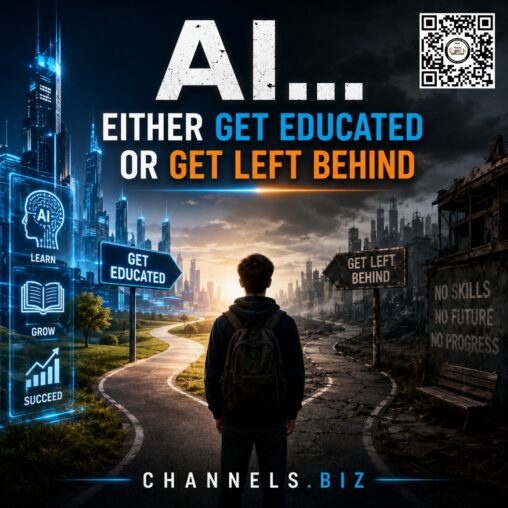
The adage “get educated or get left behind” has never been more relevant. Musicians today must be proactive in learning about AI and other emerging technologies. Those who fail to adapt risk being overshadowed by those who embrace these innovations. Education is not only about understanding how to use new tools; it’s also about comprehending the trends and shifts within the music industry.
Several resources, including workshops, online courses, and community forums, make it easier than ever for artists to gain insights and knowledge about AI in music. By familiarizing themselves with these technologies, musicians can harness their potential to enhance their careers, ensuring that they remain competitive in an ever-changing landscape.
### **Conclusion**
The integration of AI into music creation represents another chapter in the rich narrative of technological innovation within the arts. As artists navigate this new terrain, the emphasis must remain on creativity, collaboration, and ethical considerations. By leveraging AI’s capabilities while also staying true to their artistic vision, musicians can capitalize on the benefits of these advancements and continue to connect deeply with their audiences. Ultimately, the future of music will be defined by those who choose to blend technology with authentic artistry.
Hashtags: #MusicTechnology #AIinMusic #Innovation #CreativeProcess #Musicianship #FutureOfMusic