
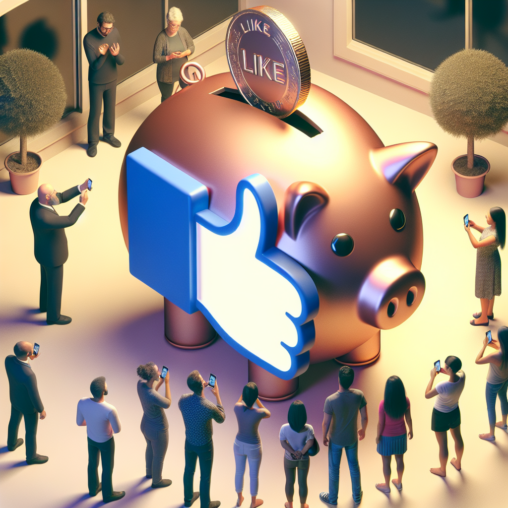
## Chasing Keith Lee: The Health and Financial Cost of Viral Food Reviewing in the Black Community
In the era of social media, where every meal can become a viral sensation, the allure of food reviewing has captivated many, especially within the Black community. The phenomenon surrounding creators like Keith Lee, who has turned food reviews into a profitable venture, has led aspiring influencers to pursue similar paths—often with dangerous consequences. This article examines the enticement of the “Keith Lee” template and the accompanying risks of prioritizing viral clout over health and financial stability.
### The Mimicry Trap
The “Keith Lee” phenomenon symbolizes the basic human tendency to imitate successful formulas. Lee’s style—a combination of enthusiastic reviews, engaging narratives, and a knack for connecting with his audience—has drawn countless others into the food review space. This mimicry, however, tends to overlook fundamental questions of viability and sustainability. While aspiring creators see the potential for fame and fortune, the harsh reality is that the return on investment (ROI) of replicating this formula is often negligible. Many individuals dive headfirst into a world of mukbangs and junk food reviews without considering the wider implications for their wallets and well-being. The drive for validation through likes and shares can obscure sound judgment, creating a vicious cycle where the pursuit of approval overshadows personal health and financial responsibility.
### The Health Tax
The health implications of a culture that glorifies high-calorie, low-nutrient food reviews can be profound, particularly in the Black community, which already faces systemic health challenges. According to recent statistics, Black Americans suffer disproportionately from diet-related diseases such as diabetes, hypertension, and obesity. The mukbang culture that has emerged as a byproduct of viral food reviewing exacerbates these issues, promoting unhealthy eating habits and normalizing excessive caloric consumption. The emphasis on “cheat meals” can lead to a dangerous disconnect between indulgence and health. For individuals already battling health disparities, adding more unhealthy foods into their dietary staples is akin to placing a financial burden on their well-being. A culture that largely celebrates such food consumption rituals risks perpetuating cycles of illness and economic strain.
### The “Free Labor” Paradox
Adding another layer of complexity to the issue is the paradox of free labor within the influencer economy. Many food reviewers invest substantial amounts into purchasing meals while simultaneously providing free marketing to profitable food establishments. The irony that content creators, in their quest for viral success, are essentially promoting multi-million dollar food industries without receiving compensation cannot be overlooked. This dynamic creates a scenario where influencers are financially supporting businesses while sacrificing their health and time. Without sponsorship or affiliate income, they may find themselves losing money while chasing fleeting online fame with little to no financial reward. These creators often overlook basic business literacy, failing to understand that unless they are being compensated for their promotions, they are more akin to customers with cameras than actual critics.
### A Call for “Healthy” Content
Instead of mirroring the successful but potentially hazardous formula of influencers like Keith Lee, there is an urgent need to redefine what constitutes “support” within the community. Advocating for healthy eating and lifestyle practices can be as captivating and popular as traditional food reviews. Promoting Black-owned health food spots, meal prep services, and nutritional education can foster a culture of wellness rather than indulgence. This shift could not only contribute to improved health outcomes within the community but also support local businesses that prioritize health over excess. By leveraging social media platforms to highlight positive choices, aspiring creators can create valuable content that nurtures both their audiences and their own well-being.
### Conclusion
The pursuit of viral food reviews, while appealing, carries significant risks that deserve serious consideration. It is vital for the Black community to channel the same fervor utilized in finding the “best burger” toward seeking better health outcomes. A digital platform that rewards self-sacrifice and promotes unhealthy lifestyles is one that can ultimately leave creators wealthy in followers but bankrupt in health. Let us challenge one another to rise above the superficial chase for likes and reclaim our health and financial stability.
Hashtags: #FoodReview #HealthAwareness #BlackCommunity #ViralContent #NutritionEducation #SocialMediaInfluencers #FinancialLiteracy