
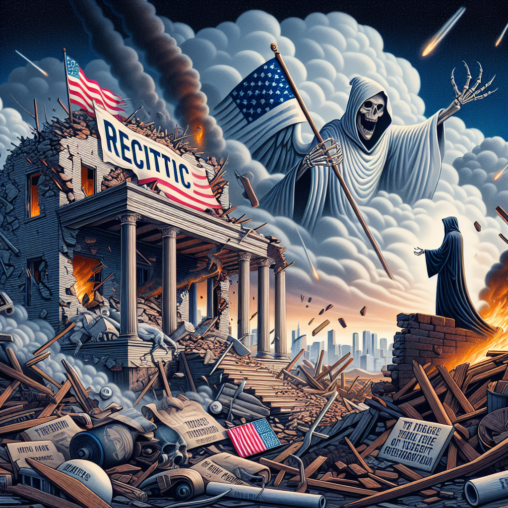
## The Rhetoric of Job Concerns: A Historical Perspective on American Industry and AI
In recent years, discussions surrounding the challenges of modern work life—such as overtime, remote work, and compressed workweeks—have taken on a charged tone. Some argue that the narrative echoing from this discourse mirrors the rhetoric from decades past, which critics claim ultimately contributed to significant industrial decline in America. As artificial intelligence (AI) begins to reshape the employment landscape, it is crucial to analyze the implications of this rhetoric and its potential consequences for the future workforce.
### **Historical Echoes: The Decline of American Manufacturing**
The challenges of the 1980s and 1990s are often characterized by debates about working conditions and corporate demands, with a particular focus on maintaining a competitive edge in a globalized economy. During this period, many argued that the complaints from primarily white workers were emblematic of a more significant ideological shift. Critics suggest that the emphasis on comfort and preference—whether it be through unions advocating for better wages, the push for reduced work hours, or demands for a more lenient work-life balance—led to decisions that prioritized short-term gains over long-term stability.
As factories shuttered and manufacturing jobs moved overseas in search of cheaper labor, a change in the American landscape became apparent. Instead of vibrant industrial hubs, many regions were left with an economy increasingly reliant on service-oriented and corporate roles. This life-altering shift has led to what some perceive as a comfort zone for many workers—cozy corporate jobs at the expense of once-thriving manufacturing communities. The question arises: is this cyclical rhetoric of concern and complaint about working conditions once again priming the nation for transformational upheaval, this time through the onset of AI?
### **The Rise of AI: A New Industrial Revolution?**
As we stand on the brink of an AI-driven future, the conversations surrounding job preservation and satisfaction have taken on new urgency. Advancements in technology promise unprecedented efficiency in workplaces, but they also raise questions about job security. Many of the roles that were once seen as stable and comfortable are now increasingly at risk of automation. With organizations looking to cut costs and maximize productivity, the narrative surrounding work conditions may no longer hold the weight it did in earlier industrial eras.
Instead of rehashing past grievances, there is a pressing need for a forward-thinking approach that considers the implications of AI integration. Workers must adapt to changing environments, where mastering new technologies may become critical to job retention and career advancement. However, the emphasis should also include discussions on equitable access to training and resources that can help transition employees into this new reality.
### **Building a Sustainable Future Amidst Change**
In this evolving landscape, there is a compelling need for a reevaluation of the corporate ethos. Rather than allowing history to repeat itself through divisive rhetoric that focuses solely on individual grievances, companies and employees alike should channel their energies into building sustainable solutions. This collaboration can lead to the development of frameworks that prioritize both employee wellbeing and organizational success.
A renewed commitment to workforce development may serve as the antidote to the fears surrounding AI. By investing in reskilling and upskilling opportunities, businesses not only affirm their commitment to their employees but also empower their workforce to meet the demands of a rapidly changing job market. Such an approach cultivates a culture of innovation, necessary to navigate the complexities of AI implementation without repeating the mistakes of the past.
### **Conclusion: Navigating the Next Chapter of Employment**
The narrative surrounding job dissatisfaction in America, particularly among white workers, cannot be divorced from the broader trends of economic shifts that have transpired over the last several decades. As artificial intelligence heralds a new era, it provides an opportunity to reflect on how past discussions of work and worth might inform present strategies. Encouraging a constructive dialogue around operational efficiency and employee satisfaction is paramount.
Ultimately, the goal must be to create a future where the economy thrives not just on automation and profit margins but also on the fulfillment and engagement of its workforce. By looking critically at the lessons of the past while embracing the innovations of the present, America has the potential to build a resilient and dynamic labor market.
Hashtags: #ArtificialIntelligence #FutureOfWork #EmployeeEngagement #WorkplaceTransformation #JobSecurity